28 November 2026
How to Choose the Right Buggy for Desert Driving in Dubai
Presented by @getdubaidunebuggytoursblog
Choosing a buggy for desert driving in Dubai is less about picking the first vehicle that looks sporty and more about matching the machine, the terms and the route to the day you have in mind. The desert changes quickly. Soft sand, firm tracks, heat and long stretches between landmarks all affect what feels comfortable and safe. A clear decision process helps you avoid paying for features you do not need, while also steering clear of a setup that makes the drive harder than it should be.
Start by defining the kind of outing you want. A short introduction to dune driving has different needs from a full-day rental that covers remote areas. Think about who will ride, where the drive is likely to go and how much control you want over the pace. Once those basics are clear, the vehicle choice becomes much easier.
Set the purpose before you compare vehicles
Begin with the shape of the day. Is the plan a relaxed drive over familiar desert tracks, a photography trip, or a more active session with turns and climbs? A buggy that feels lively on open sand may be tiring on a long route, while a stable and simple option may be ideal for a first outing. Do not choose based on engine size alone. The right match depends on terrain, group size, driving experience and the level of support you expect.
Decide whether riders will take turns driving or whether one person will handle the whole route. If several people want to drive, check that the seating and controls suit that plan. If children or less confident passengers are joining, comfort and visibility matter more than raw performance. A buggy rental dubai decision made around real passengers tends to work better than one made around appearance.
Choose the seat count that fits the group
A single-seater buggy gives each driver a focused ride and makes it easier to judge space, balance and sand conditions. It can suit solo riders or couples who plan to take turns. The trade-off is that passengers need their own vehicle, which can split a group and reduce time spent together on the route.
A two-seater buggy works well when two people want to share the experience, or when one driver wants a passenger along. Check that both seats have enough room for adults to sit without crowding, and that the passenger area feels secure when the vehicle moves over uneven sand. If luggage is part of the day, ask where it can be carried and whether it will stay clear of the driver and pedals. A vehicle that fits on paper may feel tight once helmets, water and bags are added.
Match the buggy to the terrain
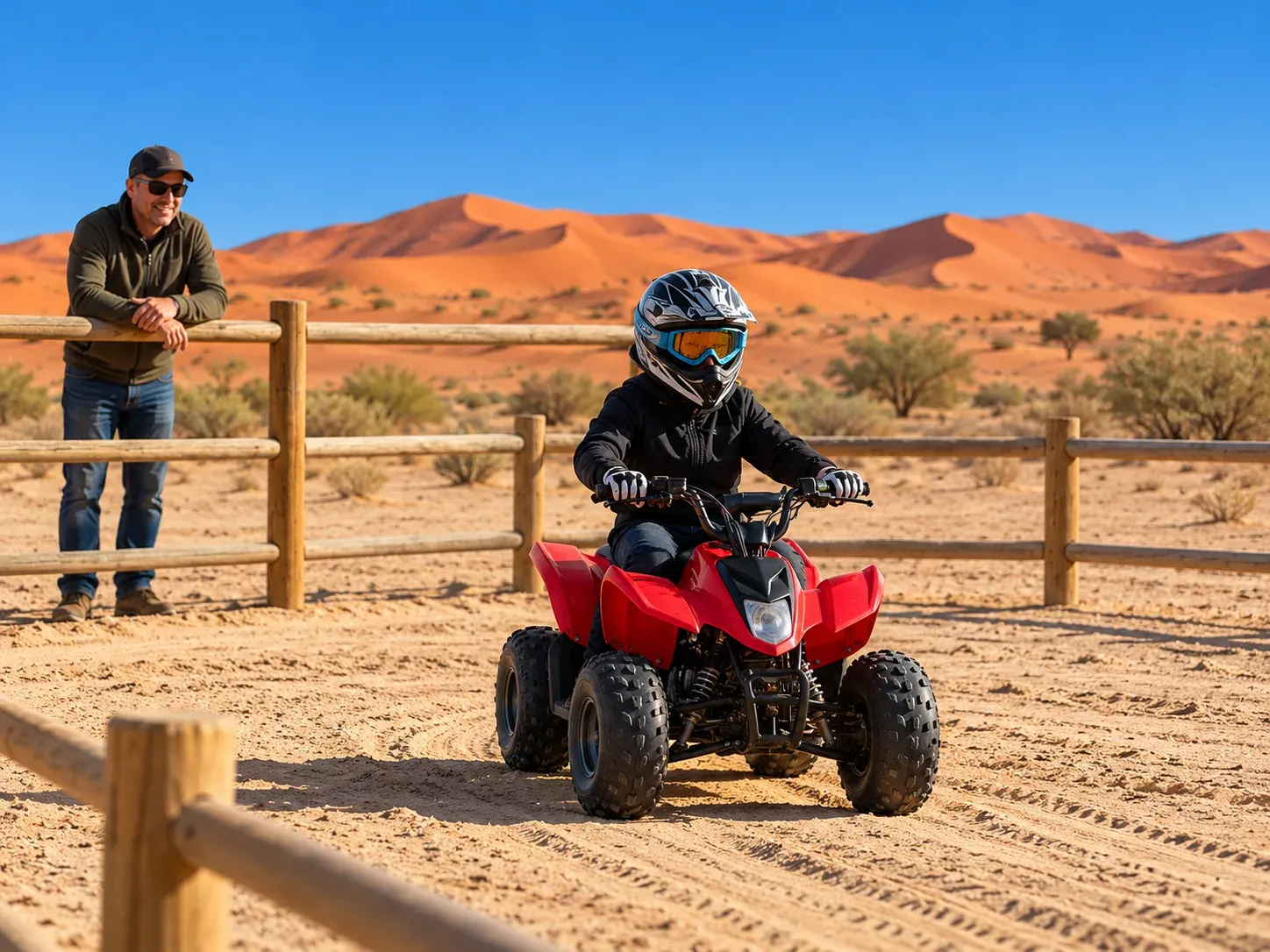
Dubai desert conditions can range from wide open dunes to firmer tracks near popular stopping points. Soft sand asks more from tires, suspension and driver technique. It also rewards steady inputs rather than sudden acceleration. When comparing options, ask what kind of terrain the buggy is intended for and whether route advice is provided with the rental.
Pay attention to tire condition and tread pattern, since traction is central to dune driving. Look for signs of uneven wear, damage or low pressure that has not been addressed. Suspension should feel composed rather than loose, and steering should respond without pulling strangely. These points are not decorative details. They shape how predictable the buggy feels when the surface changes under the wheels.
When researching a provider such as dune-buggy-dubai.net, keep the comparison grounded in practical questions: what vehicle sizes are offered, what route guidance is available and what the rental terms require. The name alone is not enough to judge fit. Clear answers and plain terms are more useful than broad promises.
Check safety equipment and riding rules
Safety should be checked before the vehicle, not after it. Ask about helmet rental and make sure helmets are available for every rider, not just the driver. A helmet should sit level, feel snug and stay in place without pressing painfully. If straps are damaged or the fit is poor, raise it before the drive begins.
Eye protection, closed footwear and sensible clothing also matter in a desert setting. Loose scarves, dangling accessories and sandals can create avoidable problems. Ask what the rider rules are and follow them even if the route looks quiet. Desert driving is a shared activity, and predictable behavior helps everyone nearby.
Before leaving the starting area, take a few minutes to understand the controls. Locate the brake, accelerator, gear selector and any hand controls. Ask what to do if the buggy stalls or becomes stuck, and what signals are used if riders need to stop. A short briefing can prevent confusion later, especially when dust or glare makes communication harder.
Read the rental terms in plain language
Price is only one part of the decision. Read the rental agreement with care and look for the boundaries that affect your day. Insurance coverage is a key point. Find out what is covered, what is excluded and what happens after damage or a collision. A lower headline rate may come with stricter conditions, so compare the full picture rather than the first number you see.
A damage waiver can change how much responsibility a renter carries, but it does not remove the need for careful driving. Ask how damage is recorded, whether photos are taken before and after the rental, and what counts as fair use versus avoidable harm. If a term sounds vague, request a clear explanation before agreeing.
The fuel policy deserves the same attention. Check whether the buggy is supplied with fuel, whether you are expected to return it at the same level, and what happens if the level differs. For a longer outing, confirm how range is handled and where refueling is possible. Running short in a remote area can turn a relaxed drive into a problem, so plan around the route rather than hoping for the best.

Compare hourly rental and full-day rental fairly
An hourly rental can suit a short session close to the starting point, especially for riders who want a taste of desert driving. It works best when the route is simple and there is little pressure to cover distance. Watch for time limits, late return rules and whether route guidance is included in the booked period.
A full-day rental opens up a broader day, but it also asks for more planning. Food, water, rest stops and route timing all become part of the decision. Heat can make long periods in an open buggy tiring, so build in quieter stretches and avoid scheduling every moment. The extra time is only useful if the day is planned around it.
The comparison should also include what happens if plans change. Ask about amendments, cancellations and weather-related disruption before booking. A flexible term is more valuable when conditions are uncertain, and it can save a great deal of frustration if the group needs to adjust.
Inspect the buggy before the drive begins
Do a calm walk-around before setting off. Check the tires, body panels, seat belts where fitted, mirrors and lights. Look for fresh damage, missing parts or anything that feels out of place. If you spot a concern, report it before leaving so there is no confusion later.
Inside the buggy, sit in the driving position and adjust what can be adjusted. Make sure your feet reach the pedals comfortably and that your view ahead is clear. Check that passengers can sit without interfering with the driver. If the vehicle has a roll structure or safety bar, note where it is and avoid treating it as a handle.
A short test movement in a safe area can reveal a lot. Listen for unusual noise, notice whether steering feels smooth and check that braking responds as expected. If something feels wrong, do not talk yourself out of it. Ask for another vehicle or advice before going onto sand.
Plan the route around ability, not ambition
Desert routes look straightforward on a map and feel very different on the ground. Choose a route that matches the least experienced driver in the group. Start with easier terrain, then build up only if conditions and confidence allow. Steep dunes, loose slopes and areas with limited visibility should be treated with caution.
Travel with enough spacing between vehicles so each driver has room to react. Keep landmarks in mind, carry water and make sure phones are charged before departure. If route information is provided, follow it and ask questions where the plan is unclear. A good buggy rental dubai choice includes knowing where you are going and how to turn back if conditions change.

In the middle of planning, it is worth checking whether dune-buggy-dubai.net fits the practical details you have already defined. That means looking beyond the vehicle type and considering the terms, safety equipment and route guidance that shape the day. A provider may suit one rider and not another, and that is normal. The best choice is the one that matches your group and your route.
Make the final decision with a clear comparison
By the time you choose, the decision should feel grounded rather than rushed. Compare the shortlisted options against the same points: seat count, terrain suitability, safety equipment, rental terms, time period and condition of the buggy. Any option that leaves a major question unanswered needs more attention before payment.
Trust clear communication. If questions are answered directly and the conditions are easy to understand, the booking process is likely to be less stressful. If details shift or important points are brushed aside, pause. Desert driving is enjoyable when preparation is steady and expectations are shared.
The right buggy is not always the biggest or the fastest. It is the one that fits the riders, suits the sand, comes with understandable terms and leaves enough room in the day for careful driving. Work through those points in order and the choice becomes practical, calm and much easier to defend when the route finally opens out ahead.